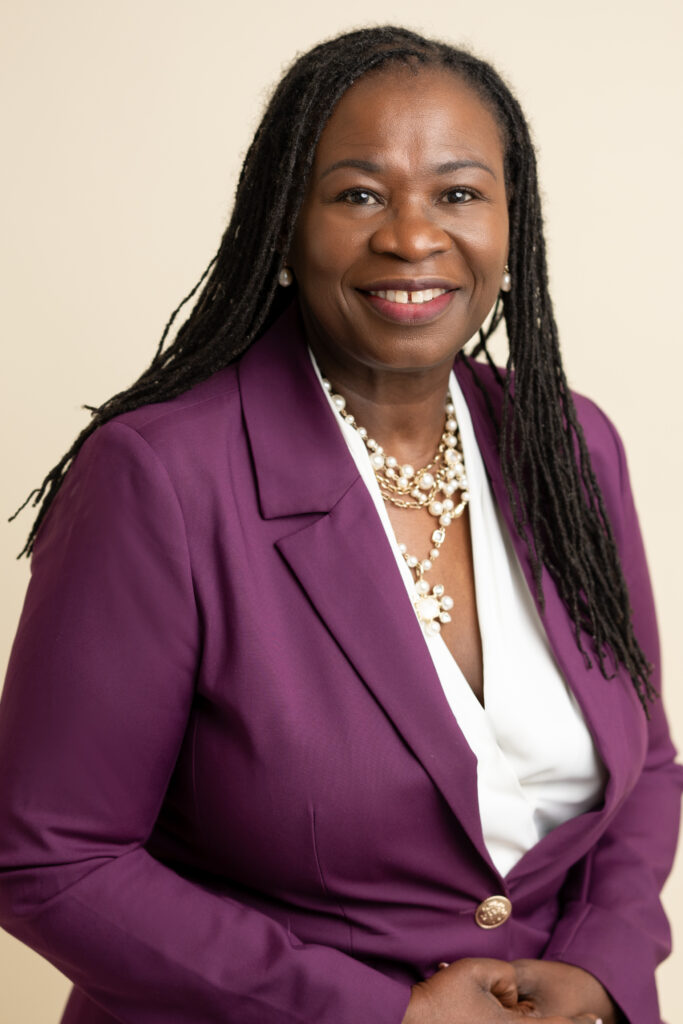
Meet Dr. Erlange Elisme, DSW
Behavioral Health Consultant and Trauma-Informed Care Leadership and Practice Specialist
Dr. Erlange Elisme, DSW, is a Behavioral Health Consultant and Trauma-Informed Care Leadership and Practice Specialist with over 30 years of experience in education, school social work, and clinical advocacy. She is the Founder and CEO of Elisme Consulting Services LLC.
I know what it means to carry stories that don’t have easy words. As an immigrant, I’ve lived the experience of navigating between worlds and holding trauma while building a new life.
From Lived Experience to Professional Framework
Guiding Principle: "What happened to you?" not "What's wrong with you?"
I first learned the value of trauma-informed care as a school social worker. Day after day, I met children whose actions carried stories their words could not fully express. I stood beside worn-out teachers and stretched-thin families, and partnered with leaders and clinicians in both public and private settings. The pattern was impossible to ignore: our histories shape how we connect, make decisions, and respond under pressure. The challenges we face do not remain outside the office door. They come in with us.
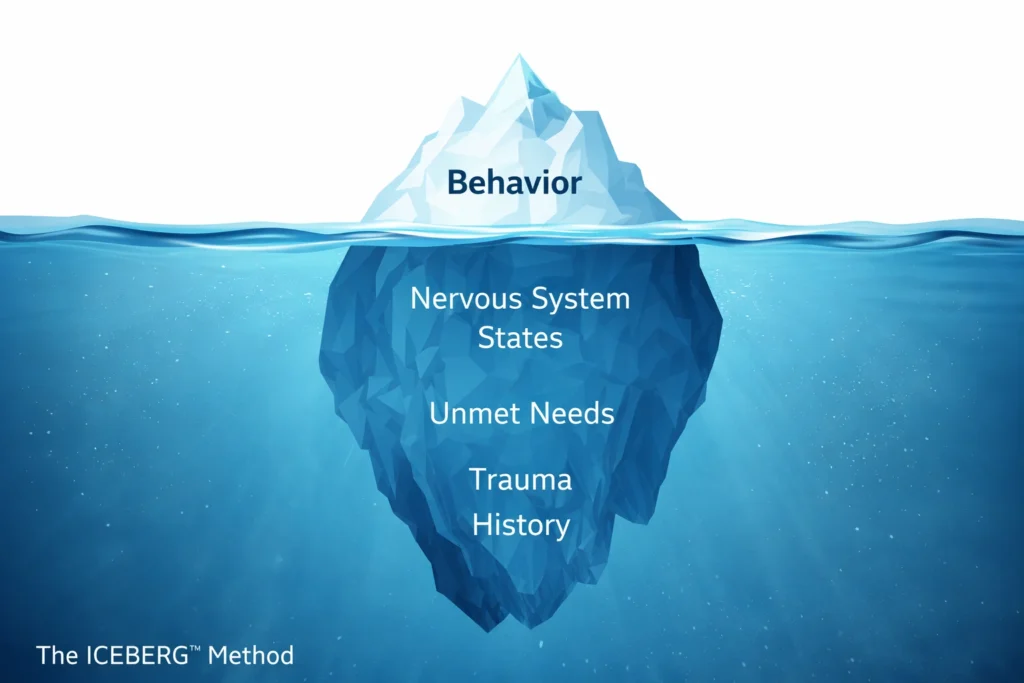
The E.L.I.S.M.E.™, DEPTH™, ICEBERG™, A.N.C.H.O.R.™, and HOLD™ frameworks grew from lived practice, not abstract theory. They are tools refined through transformation I witnessed in schools, healthcare organizations, nonprofits, and community groups. They were shaped in conversation with people navigating complex, real-life conditions.
I stay committed because I have seen what changes when the question shifts from “What’s wrong with you?” to “What happened to you?” With that shift, leaders find steadiness, relationships grow safer, and families gain tools to strengthen resilience. Teams move beyond knee-jerk reactions and toward clarity. And gradually, systems begin to support human capacity instead of draining it. This is the heart of behavioral health consulting. Not therapy. Systems-level change that honors the people inside those systems.
Education & Certifications
- Certification in Global Mental Health: Trauma & Recovery, Harvard Medical School
- Doctorate in Social Work (DSW), Barry University
- Certification in Trauma-Informed Care Leadership and Practice, Barry University
- Advanced Certification in Trauma-Informed Care with Victims of Human Trafficking, Barry University
- Professional development courses through Harvard Medical School: Trauma-Informed Care, Immigrant Mental Health, Motivational Interviewing, Meditation and Psychotherapy
- Certified life coach
- Ongoing professional development in nervous system regulation and secondary trauma
A science-based, culturally responsive partnership

Grounded in Neuroscience
We translate brain-based research into practical strategies you can use immediately. No jargon. Just tools that work.

Culturally Responsive
We center the experiences of diverse and immigrant communities with humility and respect. Your culture matters. Your story matters.

Tools-Focused
Every session includes actionable frameworks and ready-to-use resources. You leave equipped, not just inspired.

Sustainable
We help teams move beyond awareness to lasting trauma-responsive practice. This isn't a checkbox. It's transformation.
Let's Work Together
Ready to transform your organization's culture?
We help you create sustainable change by moving from awareness to action with practical, culturally responsive tools that reduce burnout and build resilience.
OUR COMMITMENT
We help organizations build practical, resilience-centered systems that recognize the real impact of stress and adversity and respond with intention. Using proven frameworks grounded in trauma-informed practice and cultural humility, we create emotionally safe environments where people can do their best work. Our work places particular attention on communities that have historically been overlooked or underserved.
We support culture change from the inside out by integrating trauma-responsive principles into everyday leadership and operational routines. When teams understand how stress and trauma influence behavior, decision-making, and relationships, they are better equipped to lead with steadiness and create sustainable, long-term impact.